Address: Mumbai, , , 400053
The food delivery industry has undergone a radical transformation in recent years, driven by evolving consumer preferences and technological advancements. As more people turn to the convenience of ordering meals online, the popularity of food delivery apps has surged, leading to the emergence of numerous JustEat clone apps that replicate successful business models. These platforms not only streamline the ordering process but also harness innovative features to enhance user experience. This article explores the future of food delivery by examining the rise and functionality of JustEat clone apps, analyzing market trends, and discussing the challenges and opportunities that lie ahead for developers and consumers alike.
Food delivery has transformed dramatically over the past few years, evolving from occasional indulgences to integral parts of our daily lives. With a smartphone in one hand and a burrito in the other, consumers are redefining how we view meals on wheels. Let’s dive into some of the trends steering this flavorful ship.
Today's diners are more discerning than ever. They crave variety, want healthy options, and expect convenience at their fingertips. Meal customization is in, and the rise of plant-based diets and international cuisine has pushed traditional takeout to the sidelines. Consumers are also more inclined to support local restaurants, spurring a trend where personalization and sustainability sit at the forefront of food delivery choices.
Ah, the pandemic—a time when sweatpants became acceptable work attire and takeout became our best friend. With dining restrictions in place, food delivery became the hero we didn’t know we needed. According to reports, the industry saw explosive growth as people turned to delivery services to satisfy their cravings. Safety protocols and contactless deliveries became the norm, fueling an enduring reliance on these platforms even as restaurants began to reopen.
JustEat and its clones are rising stars in the food delivery universe. These apps provide a robust framework for anyone looking to dive into the lucrative world of food delivery without starting from scratch. So, what’s the deal with them? Let’s break it down.
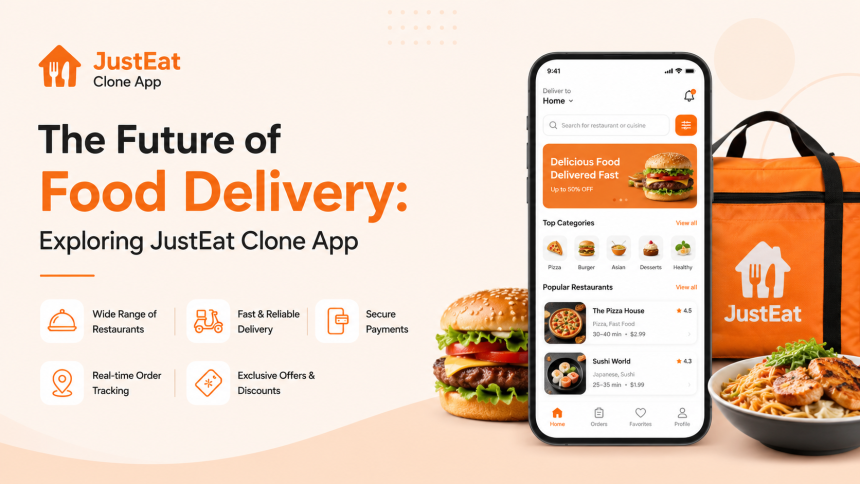
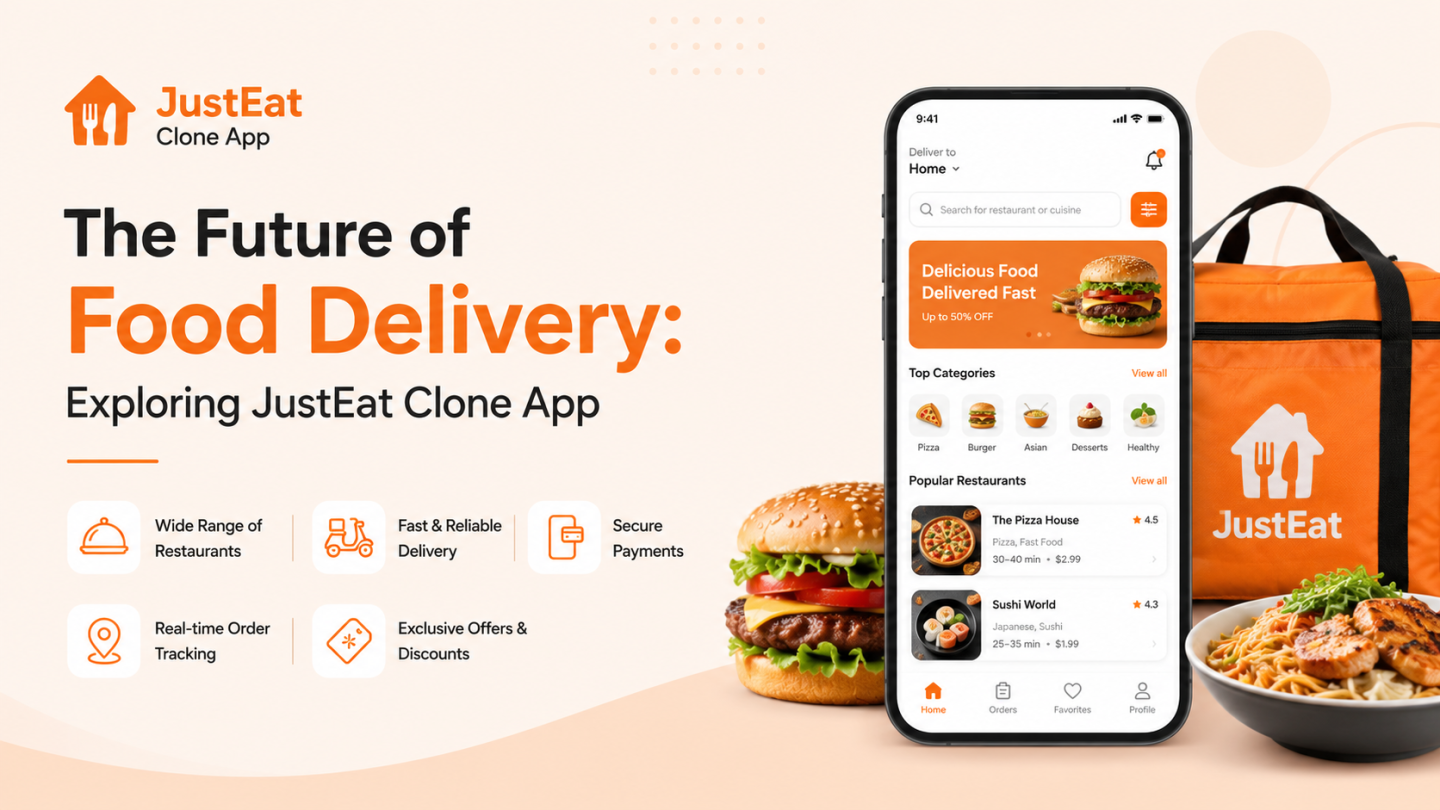
JustEat clone apps work on a simple yet effective model: they mimic the successful elements of JustEat to create their own platforms. These clones typically feature user-friendly interfaces, reliable delivery partners, and a solid restaurant network. For entrepreneurs, these models offer a quick route to market, leveraging existing consumer trust in a well-established concept, but with unique branding and features tailored to local tastes.
The competition is hot in the clone app market, with a mix of established tech giants and fresh-faced startups jostling for attention. Companies like Uber Eats and DoorDash have dipped their toes into the clone waters, while smaller players emerge with localized solutions that cater to their communities. This diverse ecosystem fosters innovation, ensuring consumers have plenty of choices when it comes to feeding their appetites—both for food and features.
To keep customers coming back for more (and more), JustEat clone apps must pack a punch with their features. Let’s take a look at what makes them tick.
A sleek and intuitive design is crucial. Users should be able to browse menus, place orders, and navigate effortlessly without losing their minds (or their appetites). A clutter-free interface with eye-catching visuals ensures that even the most technically challenged can order food with minimal fuss—because who doesn't love a good burger without the hassle?
Flexibility is the name of the game when it comes to payments. JustEat clone apps often incorporate various payment methods—from credit cards and digital wallets to cash-on-delivery, providing options that fit the needs of every user. The more convenient the payment process, the more likely customers will complete their orders and hit “checkout” rather than “close” (and that’s a win for everyone).
Nobody likes the suspense of wondering where their food is. JustEat clone apps often feature real-time tracking, allowing users to monitor their meals as they journey from the restaurant to their doorstep. Notifications keep customers in the loop with updates on their order status, ensuring they’re fully prepared to pounce as soon as the delivery person rings the bell. Who wouldn’t want that level of excitement?
In a bustling marketplace, it's essential to keep an eye on both the competition and the opportunities that lie ahead. The food delivery sector is overflowing with potential for those willing to roll up their sleeves—let's see what's cooking.
As it stands, big names like DoorDash, Uber Eats, and Grubhub continue to reign supreme, each with their own flavors of success. Their extensive networks and solid marketing strategies make them formidable opponents. However, their size can sometimes lead to complacency, creating openings for smaller, nimble contenders to carve out their niche by offering personalized experiences or health-conscious menus.
Watch out for the bright-eyed startups! They’re popping up like mushrooms after a rainstorm. Many are innovating with features like meal subscription services, exclusive partnerships with local chefs, and eco-friendly packaging. These fresh concepts are often quicker on their feet, adapting to consumer trends and demands faster than their larger counterparts. The future might just be brighter—and tastier—thanks to these culinary disruptors.
Artificial Intelligence (AI) and Machine Learning (ML) have become the secret sauce behind many successful food delivery apps, including those JustEat clones. By analyzing customer preferences and ordering patterns, these smart systems can personalize recommendations, making users feel like the app knows them better than their best friend. Not only do AI and ML streamline the ordering process, but they also optimize delivery routes, helping drivers avoid traffic jams and save precious pizza time.
Mobile app development is evolving faster than you can say “extra toppings, please.” With a growing emphasis on user experience (UX) and user interface (UI) design, clone apps are adopting sleek, intuitive layouts that make ordering food feel as easy as scrolling through social media. Features like voice commands and augmented reality menus are creeping into the scene, allowing customers to ‘see’ their food before they order. Plus, let’s not forget about the importance of app security—it’s not just about the food; it’s about keeping your data as safe as a well-packaged takeout box!
You might associate blockchain with cryptocurrencies, but it’s also making waves in the food delivery sector. By enhancing transparency and traceability, blockchain can provide crucial information about where your dinner came from. Picture this: you order a gourmet burger, and thanks to blockchain, you can trace the beef right back to the farm it came from! This technology not only builds trust with consumers but also helps combat food fraud. So, next time you’re thinking about what to eat, you can not only enjoy your meal but feel secure about its origins.
Developing a JustEat clone app isn’t all rainbows and unicorns—there are regulatory hurdles to leap over. Different countries have varied laws regarding food safety, delivery services, and even payment processing. Developers must ensure compliance with these regulations to avoid hefty fines and, worse, an app that’s shut down faster than a food truck at midnight. Navigating the legal landscape can feel like solving a Rubik's cube blindfolded, but it’s necessary for success.
Let’s talk logistics—essentially the not-so-glamorous behind-the-scenes work that makes food delivery possible. From ensuring timely deliveries to managing driver availability, there’s a lot at stake. Weather conditions, traffic, and even hungry customers can throw a wrench into the best-laid plans. Developers must innovate to find solutions that keep drivers happy, food fresh, and customers satisfied, or risk becoming the punchline of a bad delivery joke.
The food delivery market is projected to grow faster than your waistline during the holidays! With more people embracing the convenience of online ordering, clone apps are poised for significant market expansion. As urban areas continue to burgeon, the demand for quick and reliable food delivery services will only increase. Companies that adapt and innovate, offering more choices and better experiences, will come out on top in this ever-expanding feast of opportunity.
Imagine a future where your food arrives at your door courtesy of a friendly robot or a drone zipping through the sky. While this might sound like something out of a sci-fi movie, it’s closer to reality than you think. Automation and robotics are on the rise, and for food delivery, they promise enhanced efficiency and speed. As these technologies develop, expect to see a wave of autonomous vehicles and delivery drones, which could help businesses cut down on labor costs while tantalizing customers with the thrill of futuristic tech.
The evolution of food delivery solutions is a thrilling journey characterized by rapid technological advancements and a constant push for a more seamless user experience. From AI-driven recommendations to blockchain transparency, the future holds promising developments for JustEat clone apps. While challenges abound, those who embrace innovation and adaptability will find a feast of opportunities waiting for them.
As we look ahead, it’s clear that the food delivery landscape will continue to transform, incorporating more tech, embracing sustainability, and constantly evolving to meet consumer demands. Whether it’s through robots, efficient apps, or unique dining experiences, the future of food delivery is bright—and perhaps a little spicy! So grab your forks, folks, because the best is yet to come.In conclusion, the future of food delivery is poised for exciting developments, particularly with the proliferation of JustEat clone apps that cater to the evolving needs of consumers. As technology continues to advance and market dynamics shift, these platforms will play a crucial role in shaping the way we experience food delivery. By addressing challenges and embracing innovations, developers and businesses can create more efficient, user-friendly solutions that enhance customer satisfaction and drive growth in this ever-evolving industry.
JustEat clone apps are food delivery platforms that replicate the business model and functionalities of JustEat, offering similar services such as food ordering, payment processing, and delivery tracking.
Benefits include user-friendly interfaces, a wide range of restaurant options, real-time tracking, and convenient payment methods, all of which enhance the overall food ordering experience.
Developers may encounter challenges such as regulatory compliance, competition from established players, logistical issues related to delivery, and the need to continuously innovate to meet consumer demands.
Technology is driving advancements such as AI for personalized recommendations, mobile app enhancements for better user experience, and blockchain for secure transactions, all contributing to a more efficient food delivery ecosystem.

Upto 6 month of service

100% certified professionals

Upto $5,000 against damages
Copyright © 2024 Digital Marketing Deal. All rights reserved.