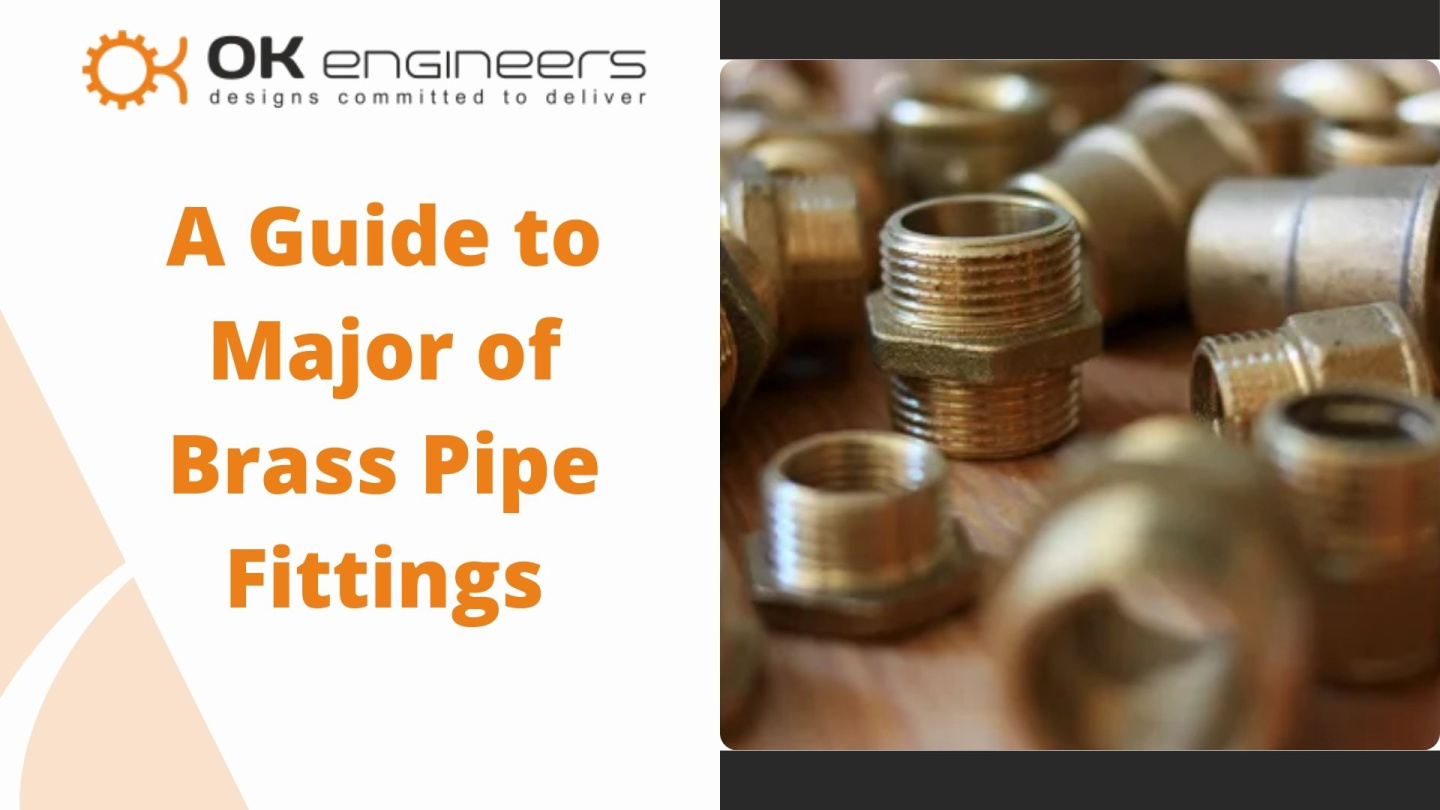
Brass pipe fittings are indispensable components in a variety of plumbing and industrial applications. They are lauded for their durability, resistance to corrosion, and excellent conductivity. Whether you are working on a complex plumbing system or a high-pressure industrial setup, understanding the different types of Brass Pipe Fittings can significantly enhance the efficiency and longevity of your projects. In this comprehensive guide, we delve into the major types of brass pipe fittings and their specific uses.
1. Elbows
Elbows are one of the most common Brass Pipe Fittings used to change the direction of flow in piping systems. They typically come in 45-degree and 90-degree angles. These fittings are crucial in plumbing systems where space constraints necessitate directional changes. Elbows can be threaded or soldered, depending on the requirement.
Applications:
- Plumbing systems
- Water supply lines
- HVAC systems
Elbows help in navigating around obstacles and can be found in various configurations to suit different applications.
2. Tees
Tees are T-shaped Brass Pipe Fittings that allow for the combination or splitting of fluid flow. They are used to branch off a main line to secondary lines. This type of fitting can be equal or reducing, depending on whether the branch pipe size is the same as the main pipe or smaller.
Applications:
- Sprinkler systems
- Irrigation systems
- Gas supply lines
Tees are versatile and essential in creating complex piping networks.
3. Couplings
Couplings are short lengths of pipe used to connect two pipes together. They are available in various sizes and can be threaded, soldered, or compression types. Couplings are essential for extending the length of pipes or repairing broken sections.
Applications:
- Plumbing repair
- Extending pipe runs
- Joining different pipe materials
Couplings provide a straightforward method to connect pipes securely and are indispensable in both residential and commercial plumbing.
4. Reducers
Reducers are used to join pipes of different diameters. They can be concentric or eccentric, depending on whether the centerlines of the pipes being joined are aligned. Brass Pipe Fittings like reducers are crucial for adapting the piping system to accommodate various flow requirements.
Applications:
- Industrial piping systems
- Water distribution networks
- Chemical processing plants
Reducers help in maintaining the flow rate and pressure in systems with varying pipe sizes.
5. Bushings
Bushings are used to reduce the size of a pipe fitting by inserting into the larger fitting. They have a male thread on the outside and a female thread on the inside. Bushings are particularly useful in applications where reducing the pipe size within a confined space is necessary.
Applications:
- HVAC systems
- Plumbing installations
- Gas distribution
Bushings provide a compact solution for reducing pipe size without compromising the integrity of the system.
6. Unions
Unions are similar to couplings but allow for easy disconnection and reconnection of pipes. They consist of three parts: a nut, a female end, and a male end. This feature makes unions ideal for systems requiring regular maintenance or disassembly.
Applications:
- Plumbing maintenance
- Industrial piping systems
- Water treatment plants
Unions facilitate the easy removal and reinstallation of pipes, which is essential for system upkeep.
7. Caps and Plugs
Caps and plugs are used to close off the ends of pipes. Caps cover the end of a pipe, while plugs fit inside the pipe. These fittings are vital for temporarily or permanently sealing off a pipe.
Applications:
- Plumbing terminations
- System testing
- Maintenance closures
Caps and plugs ensure that the ends of pipes are securely sealed, preventing leaks and contamination.
8. Adapters
Adapters are used to connect pipes of different types or sizes. They can have male or female threads and are essential for integrating different piping systems. Brass Pipe Fittings like adapters provide flexibility in system design.
Applications:
- Plumbing system transitions
- Industrial process piping
- Water supply networks
Adapters enable seamless transitions between different types of pipes, enhancing the versatility of the piping system.
9. Nipples
Nipples are short lengths of pipe with male threads on both ends. They are used to connect two fittings or extend the length of a pipe. Nipples come in various lengths and diameters to suit different applications.
Applications:
- Plumbing connections
- HVAC installations
- Industrial piping
Nipples provide a simple and effective way to join fittings or extend pipes.
10. Valves
Valves are fittings used to control the flow of fluids. They come in various types, including ball valves, gate valves, and check valves, each serving a specific function. Valves are crucial for regulating flow, pressure, and temperature in piping systems.
Applications:
- Water supply systems
- Gas pipelines
- Chemical processing
Valves are indispensable in systems where precise control of fluid flow is required.
Benefits of Brass Pipe Fittings
Brass Pipe Fittings offer numerous advantages that make them a preferred choice in various applications. Here are some key benefits:
Durability:
Brass is an alloy of copper and zinc, known for its strength and resistance to wear and tear. Brass Pipe Fittings are durable and can withstand high pressures and temperatures, making them ideal for both residential and industrial use.
Corrosion Resistance:
Brass exhibits excellent resistance to corrosion, particularly from water, which is why it is widely used in plumbing applications. This property ensures the longevity of the fittings and reduces the need for frequent replacements.
Malleability:
Brass is relatively easy to shape and machine, allowing for precise manufacturing of Brass Pipe Fittings. This malleability ensures a tight fit and reliable connections, enhancing the overall efficiency of the piping system.
Conductivity:
Brass is a good conductor of heat, which makes it suitable for applications involving hot water. Its thermal conductivity also aids in maintaining the temperature within the piping system, making it energy efficient.
Versatility:
Brass Pipe Fittings are available in a wide range of types and sizes, catering to various plumbing and industrial needs. This versatility allows for the design of complex and efficient piping systems.
Choosing the Right Brass Pipe Fitting
Selecting the appropriate Brass Pipe Fittings for your project is crucial for ensuring optimal performance and longevity. Here are some factors to consider:
Application:
Determine the specific application of the fitting. Different fittings serve different purposes, such as changing pipe direction, branching off, or controlling flow. Identifying the application will help in choosing the right type of fitting.
Size:
Ensure that the fitting matches the size of the pipes being connected. Using the wrong size can lead to leaks and inefficiencies in the system. Always measure the pipe diameter and select the fitting accordingly.
Pressure Rating:
Check the pressure rating of the fitting to ensure it can handle the operating pressure of your system. Using fittings with inadequate pressure ratings can result in system failure.
Material Compatibility:
Ensure that the brass fitting is compatible with the materials of the pipes being connected. While brass is versatile, it is essential to consider the potential for galvanic corrosion when connecting to other metals.
Manufacturer:
Choose fittings from reputable manufacturers like OK Engineers to ensure quality and reliability. Renowned manufacturers adhere to strict quality standards, providing fittings that are durable and efficient.
Installation Tips for Brass Pipe Fittings
Proper installation of Brass Pipe Fittings is essential for maintaining the integrity and performance of the piping system. Here are some tips to ensure a successful installation:
Clean the Pipes:
Ensure that the ends of the pipes are clean and free from debris before installing the fittings. This step is crucial for achieving a tight and leak-free connection.
Use Teflon Tape:
Apply Teflon tape or pipe joint compound to the threads of the fittings to ensure a secure and leak-proof seal. This practice helps in preventing leaks and enhances the longevity of the connection.
Avoid Over-Tightening:
While it is essential to ensure a tight connection, avoid over-tightening the fittings. Over-tightening can damage the threads and compromise the integrity of the fitting.
Inspect for Leaks:
After installation, inspect the system for any leaks. Turn on the water or fluid flow and check all connections for signs of leakage. Address any leaks promptly to prevent damage to the system.
Regular Maintenance:
Perform regular maintenance checks on the piping system to ensure that all fittings are in good condition. Replace any damaged or worn fittings to maintain the efficiency and safety of the system.
Conclusion
Understanding the different types of Brass Pipe Fittings and their applications is crucial for anyone involved in plumbing or industrial piping systems. These fittings offer numerous benefits, including durability, corrosion resistance, and versatility, making them a preferred choice in various applications. By selecting the right fittings and following proper installation practices, you can ensure the efficiency and longevity of your piping system. For high-quality Brass Pipe Fittings, consider reputable manufacturers like OK Engineers, known for their adherence to stringent quality standards