Address: Mumbai, Mumbai, Maharashtra, 400053
In today's fast-paced world, food delivery services have become an essential convenience for consumers, creating lucrative opportunities for entrepreneurs. One of the most prominent platforms in this space is iFood, known for its user-friendly interface and extensive restaurant partnerships. However, launching a food delivery business doesn’t necessitate starting from scratch; leveraging an iFood clone app can provide a solid foundation. This complete guide will walk you through the critical steps of launching your food delivery business, from understanding the iFood clone concept and its key features to development processes, marketing strategies, and future industry trends. Whether you're a budding entrepreneur or an established business looking to expand, this guide will equip you with the necessary insights to succeed in the competitive food delivery market.
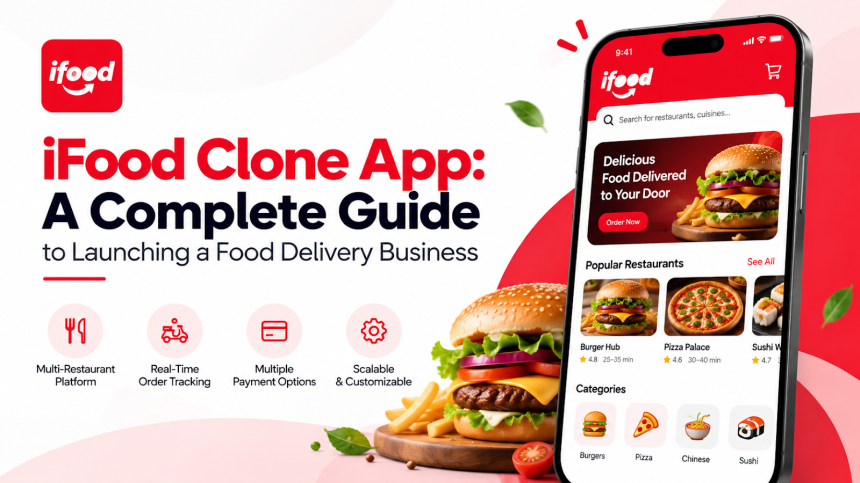
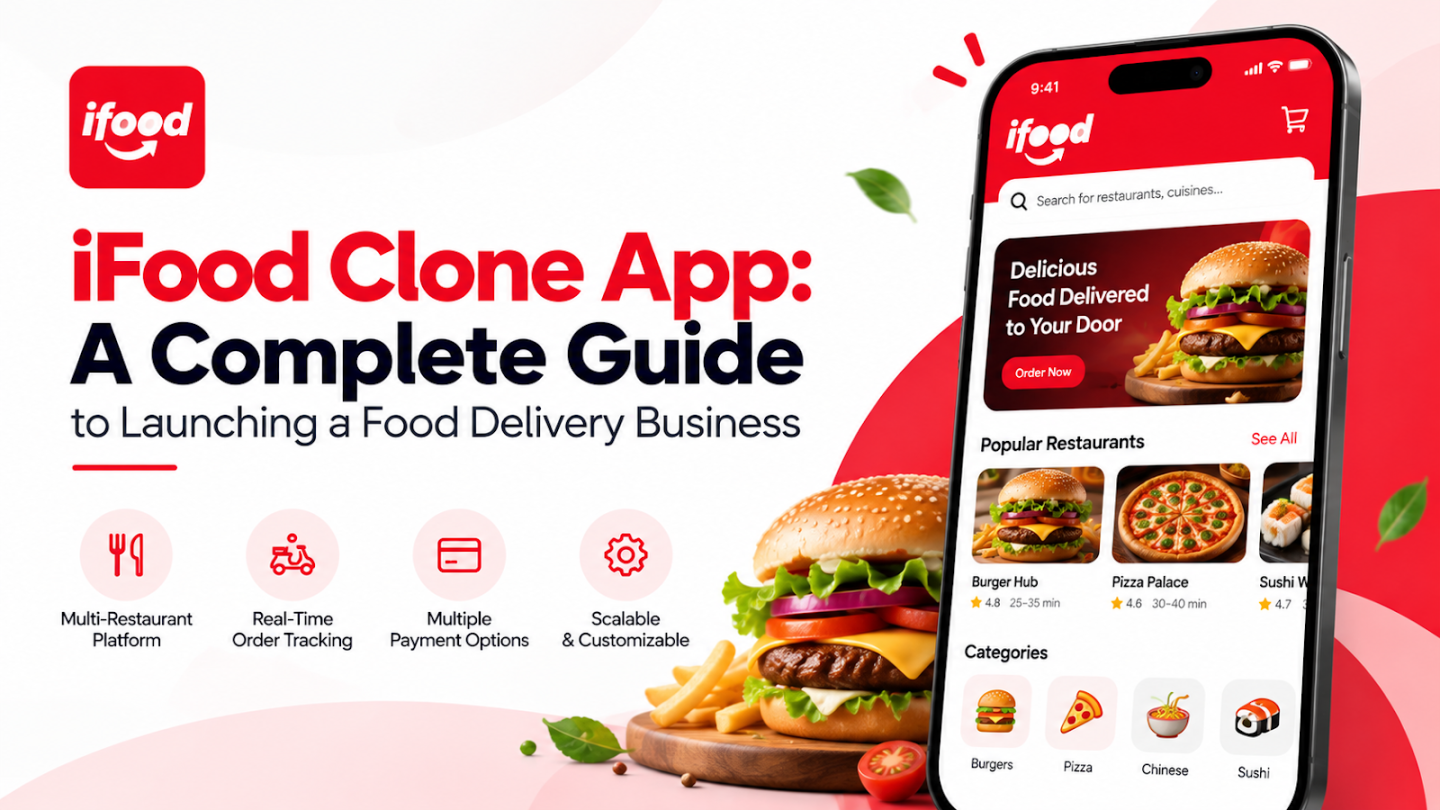
An iFood clone app is essentially a platform designed to mimic the functionalities of the popular food delivery service, iFood. Think of it as the “fraternal twin” of food apps—similar features, a few quirks, but with its own charm! Key features include user profiles, restaurant listings, menu displays, order placement, and seamless delivery tracking. A well-designed clone app will also offer an easy-to-navigate interface and robust backend support, making sure your users never face the dreaded “where's my food?” dilemma.
Using a clone app has its perks, like a head start in the food delivery race. You get a ready-made framework that saves time and resources compared to building an app from scratch. Plus, it allows customization to suit your brand’s needs while leveraging proven features that customers love. In short, it’s like having a solid recipe but adding your secret ingredient—your unique twist—so everyone knows it’s your delicious meal (or app)!
While iFood stands tall in the food delivery landscape, it’s always good to scope out the competition. Other apps like Uber Eats, DoorDash, and Grubhub offer varying service areas, menus, and pricing strategies. iFood often wins with its local presence and partnership with a plethora of restaurants. Comparing their strengths and weaknesses can help you identify opportunities for your own app, allowing you to carve out a niche that keeps those virtual forks clinking!
A user-friendly interface is like the warm and inviting ambiance of your favorite restaurant—essential! Your app should allow users to navigate effortlessly, with visually appealing designs and straightforward functionality. If users have to squint or squabble with the interface, they might just decide to whip up a microwave dinner instead.
In today’s fast-paced world, no one likes to play the waiting game—especially when it’s about food! Integrating real-time order tracking gives users the power to see exactly where their deliciousness is at any moment. It transforms the ‘waiting for food’ experience from anxiety to anticipation, much like waiting for your favorite series to drop a new season.
Catering to diverse customer preferences means offering multiple payment options—like a buffet, but for payments! From credit cards to digital wallets and cash on delivery, the more choices you provide, the happier and more secure your customers will feel. After all, no one wants to lose their appetite because they can’t find their wallet!
Feedback is the breakfast of champions! A robust rating and review system allows users to share their thoughts and helps maintain high service standards. Plus, it shows potential customers that you value transparency. A good review can be the difference between a new customer and a ghost order that fades into the night!
Understanding your target audience is like knowing how to make the perfect cup of coffee—it sets the tone for everything! Are you aiming for the busy professionals who order on-the-go or families craving a weekend feast? Once you identify the demographics, preferences, and pain points, you can tailor your app and marketing strategies to hit the bullseye.
Competitor analysis is like peeking at your neighbor’s garden to see which flowers bloom best! Look at what makes other food delivery apps successful and where they fall short. Analyze their promotions, customer service, and user feedback. This intel will help you differentiate your app and create strategies that entice users to your side of the street.
Your unique selling proposition (USP) is what makes you shine brighter than the competition—a one-of-a-kind dish at a buffet! Define what sets your app apart. Is it lightning-fast delivery, gourmet restaurant partnerships, or eco-friendly packaging? Whatever it is, make sure it resonates with your target audience and is something they can’t resist.
Picking the right technology stack is like choosing the right ingredients for your secret recipe—crucial for a tasty outcome! Opt for technologies that support scalability, security, and performance. Consider frameworks and tools that allow flexibility for future updates. Remember, the better your tech, the smoother the journey from order to delivery.
Designing your app isn’t just about looking pretty—it's about functionality, too! Focus on creating a seamless user experience that guides customers through their culinary adventures effortlessly. Involve users during the design phase for feedback and testing; after all, their experience matters more than just aesthetic appeal!
Before you open the virtual doors to your new app, rigorous testing is vital. Think of it as a trial run, ensuring everything works as expected. From functionality checks to user interface testing, make sure to iron out any glitches. A robust quality assurance process will keep your app running smoothly and your customers smiling, rather than frustrated.
The commission-based revenue model is like the classic pizza: a staple that works every time! Here, you charge restaurants a percentage of each order placed through your app. This model is appealing because it aligns your success with that of the restaurants. The more they sell, the more you earn. Just remember, keep your commission reasonable to entice more establishments to join your platform.
Who doesn’t love a good subscription? With the subscription service model, you can offer customers the chance to pay a monthly fee for perks like free delivery or exclusive deals. It’s a win-win: customers save money, and you secure a steady cash flow. Plus, who wouldn’t want to feel like a VIP every time they order their favorite nachos?
Think of your app as a digital billboard where restaurants can advertise. By offering targeted ad placements within your app, you can generate additional revenue. Promotions, such as featured restaurant slots or special deals, not only boost your income but also enhance user engagement. It’s all about keeping the foodies coming back for more mouth-watering options!
Your brand identity is like the secret sauce that makes your food delivery business irresistible. Choose a name, logo, and color scheme that reflect your vibe. Think of it as your app’s personality—make it memorable and relatable. A strong brand identity not only distinguishes you from competitors but also builds trust with customers who want to order that “delicious-looking logo” they keep seeing online.
In the age of TikTok dances and Instagram food pics, social media is your best friend! Tap into digital marketing by showcasing mouthwatering photos, engaging content, and user-generated posts. Leverage influencers—because who can resist ordering from a restaurant endorsed by that cool foodie with a million followers? A well-structured digital marketing strategy will keep your app in the spotlight and attract hungry customers.
Collaboration is the name of the game! Partner with local restaurants, food bloggers, or even community events. Cross-promotions can widen your reach and build credibility. Think about working with well-known chefs or hosting food tastings. Plus, nothing says “we’re here to serve” like teaming up with your favorite taco joint or dessert shop; it’s like a food love story waiting to happen!
Your delivery staff are the face of your business, so they need to be trained like culinary ninjas! Focus on customer service, punctuality, and handling food with care. A well-trained delivery team ensures that hot meals arrive hot and cold drinks stay cold—keeping your customers happy and ready to order again. Plus, a happy delivery person means a happy delivery, which makes everyone smile!
Safety first, folks! In the delivery business, ensuring food safety and delivery safety is crucial. Train staff on hygiene standards, and implement contactless delivery options. During delivery, make sure food stays secure (nobody wants a rogue taco flying out of its container). Keeping both your staff and customers safe goes a long way in building trust in your service.
Let’s face it: not everything will go perfectly, and that’s okay. What matters is how you handle it! Create a system for addressing customer complaints and feedback. Whether it’s a missed delivery or a meal that didn’t live up to expectations, timely responses and resolutions can turn a disgruntled diner into a loyal fan. Always listen to feedback—after all, it’s the breakfast of champions!
Fasten your seatbelts, because technological advancements are driving the food delivery industry into hyperdrive! From AI-powered recommendation engines to automated delivery bots, technology is changing how we order and receive food. Embrace innovations like real-time tracking and personalized user experiences to stay ahead of the game. Your app can lead the charge into the future of food delivery!
Consumers are becoming pickier than a toddler at a veggie buffet. They want convenience, variety, and health options at their fingertips. As more people embrace online ordering, adjust your offerings to cater to changing tastes and preferences. Keep an eye on trends like veganism, meal kits, and even ghost kitchens. Understanding these shifts will help you stay relevant and appealing to modern diners.
Eco-friendly practices are no longer just a trend—they’re a must! Consumers are increasingly seeking sustainable options, from compostable packaging to local sourcing. Dive into eco-friendly practices to stand out and attract conscientious customers. Not only will you be helping the planet, but you’ll also earn bonus points for being the “good guy” in the food delivery game. Talk about a win-win!Launching a food delivery business using an iFood clone app can be a rewarding venture in today's digital economy. By understanding the market, implementing key features, and adopting effective marketing strategies, you can create a successful platform that meets the needs of consumers. As you navigate the challenges and opportunities in this industry, remember to focus on quality, customer service, and innovation to stay ahead of the competition. With the right approach, your food delivery business can thrive and make a significant impact in the market.
An iFood clone app is a replica or similar platform to the iFood food delivery service, designed to offer similar features and functionalities tailored for launching a food delivery business.
The cost of developing a food delivery app can vary widely depending on factors such as features, design complexity, and the development team’s location. Typically, it can range from a few thousand to several tens of thousands of dollars.
Key features to prioritize include a user-friendly interface, real-time order tracking, multiple payment options, a rating and review system, and efficient delivery management.
Effective marketing strategies include creating a strong brand identity, utilizing social media platforms, engaging in digital marketing campaigns, partnering with local restaurants, and offering promotions or discounts to attract new users.

Upto 6 month of service

100% certified professionals

Upto $5,000 against damages
Copyright © 2024 Digital Marketing Deal. All rights reserved.