
Address: Plot No-776, GIDC, Phase-2, Dared, District : Jamnagar- 361004, State : Gujarat Counrty : (INDIA), Jamnagar, Gujarat, 361004
In today's fast-paced manufacturing landscape, precision and reliability are paramount. Brass Precision Parts have emerged as essential components in various industries, from automotive to electronics. This article delves into the significance, manufacturing processes, applications, and benefits of brass precision parts, highlighting why they are crucial for contemporary engineering solutions.
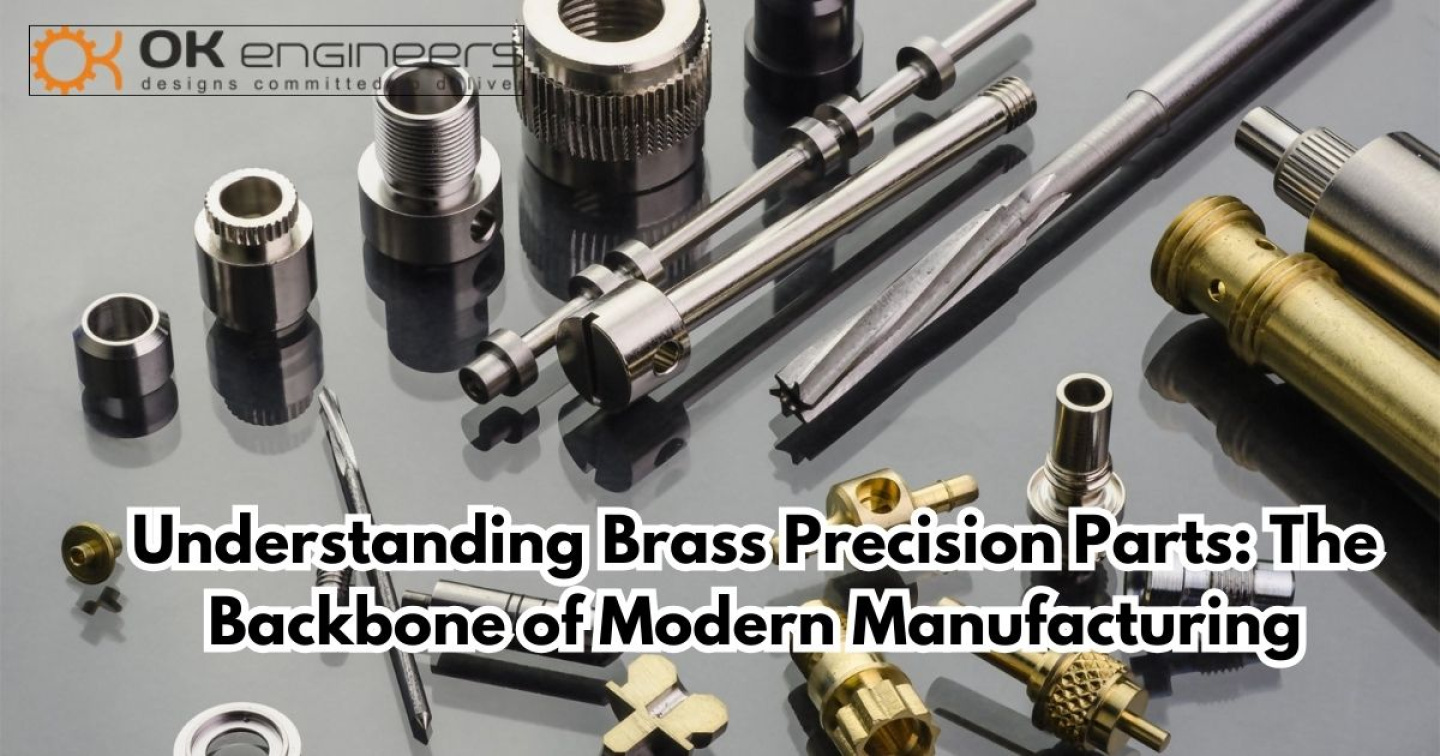
Brass precision parts are components manufactured from brass—a copper-zinc alloy known for its excellent machinability, corrosion resistance, and attractive finish. These parts are crafted to precise specifications, ensuring they meet the rigorous demands of various applications. The use of brass in precision parts stems from its unique properties, which allow for both durability and aesthetic appeal.
Corrosion Resistance: Brass exhibits excellent resistance to corrosion, making it suitable for applications in humid or corrosive environments.
Machinability: Brass is easy to machine, allowing for the production of complex shapes and fine tolerances. This property is vital in the manufacturing of precision parts where accuracy is critical.
Thermal Conductivity: Brass has good thermal conductivity, which is advantageous in applications requiring efficient heat dissipation.
Aesthetic Qualities: The golden hue of brass provides an attractive finish, making it ideal for visible components in consumer products.
The production of brass precision parts involves several key processes:
Choosing the right brass alloy is crucial. Common alloys include C26000 (also known as yellow brass) and C28000 (lead-free brass), each offering different mechanical properties suitable for specific applications.
Machining is the most common method used to create brass precision parts. Techniques such as turning, milling, and drilling are employed to achieve the desired shapes and dimensions. Computer Numerical Control (CNC) machines are often utilized to ensure high precision and repeatability.
After machining, parts may undergo finishing processes such as polishing, plating, or anodizing. These processes enhance the surface quality and protect the parts from environmental factors.
Quality control is critical in the production of brass precision parts. Various inspection techniques, including dimensional checks and surface quality assessments, ensure that the components meet stringent specifications.
Brass precision parts find application in a wide range of industries:
In the automotive sector, brass components are used in fittings, connectors, and valves due to their durability and resistance to wear and corrosion. They play a crucial role in ensuring the smooth operation of various vehicle systems.
Brass precision parts are widely used in electronic devices, particularly in connectors and housings. Their conductivity and thermal properties make them ideal for applications that require reliable electrical performance.
The aerospace industry relies on brass precision parts for their strength and lightweight characteristics. They are used in various components that must withstand extreme conditions while maintaining reliability.
In plumbing and heating, ventilation, and air conditioning (HVAC) systems, brass fittings and valves are preferred for their corrosion resistance and longevity.
Cost-Effectiveness: Brass parts offer a balance of performance and affordability, making them a popular choice for manufacturers looking to optimize production costs without compromising quality.
Longevity: The inherent properties of brass contribute to the longevity of precision parts, reducing the need for frequent replacements and maintenance.
Versatility: Brass can be easily alloyed with other metals, allowing for tailored properties to meet specific application needs.
Sustainability: Brass is recyclable, making it an environmentally friendly choice for manufacturers looking to reduce their carbon footprint.
Brass precision parts are indispensable in modern manufacturing, offering a unique blend of durability, machinability, and aesthetic appeal. Their diverse applications across various industries highlight their versatility and importance in ensuring reliable and efficient performance. As technology advances, the demand for high-quality brass precision parts will continue to grow, making them a cornerstone of engineering solutions in the years to come.

Upto 6 month of service

100% certified professionals

Upto $5,000 against damages
Copyright © 2024 Digital Marketing Deal. All rights reserved.