
Address: Plot No-776, GIDC, Phase-2, Dared, District : Jamnagar- 361004, State : Gujarat Counrty : (INDIA), Jamnagar, Gujarat, 361004
Brass moulding inserts are versatile and durable components that play a crucial role in several industrial applications. Known for their exceptional strength, corrosion resistance, and ease of use, Brass Moulding Insert products are widely adopted across various sectors, including automotive, electronics, construction, and even medical devices. This article delves into the benefits and uses of brass moulding inserts, explaining how these components contribute to the efficiency and reliability of different industries.
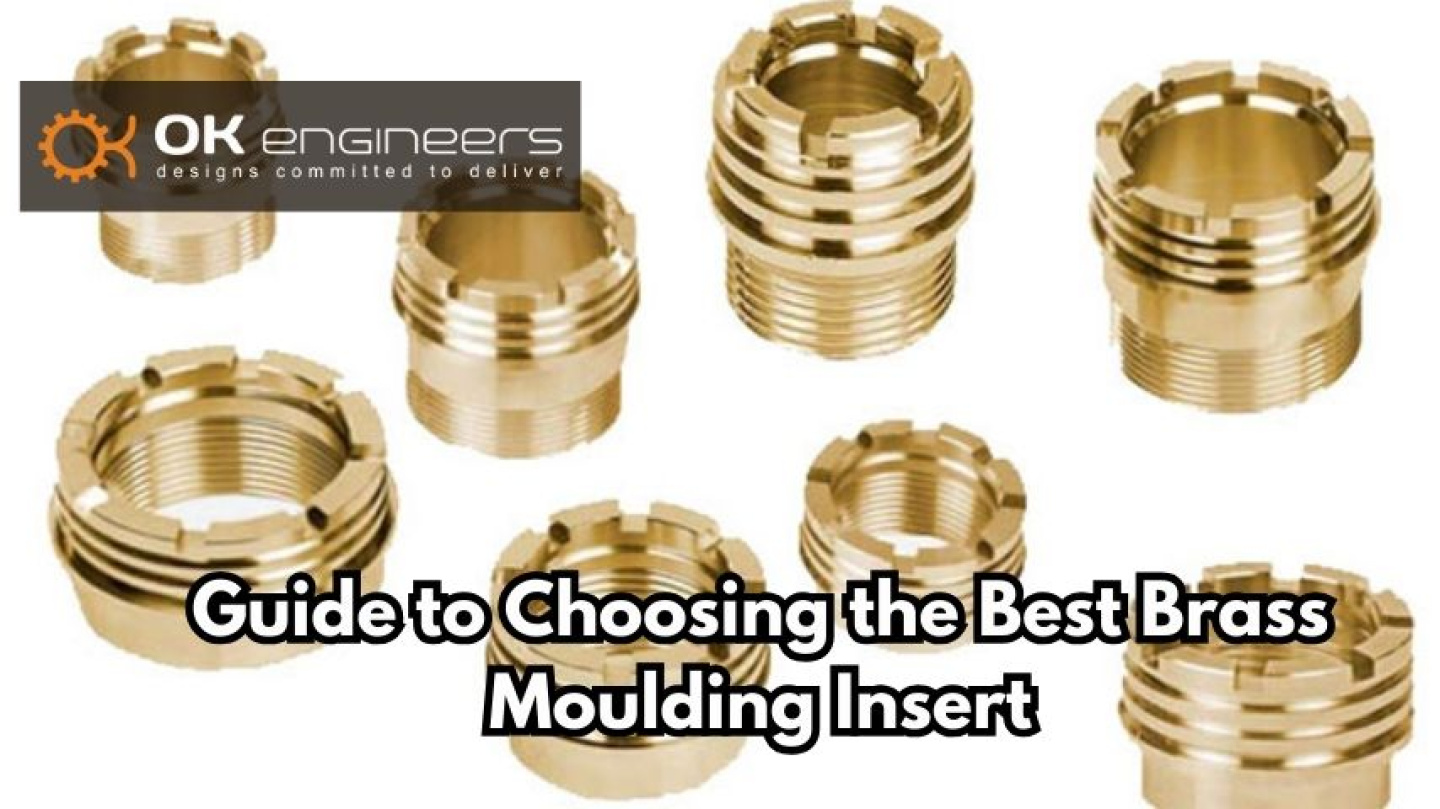
A brass moulding insert is a metallic component designed to be embedded into a plastic or composite material during the moulding process. These inserts are usually threaded or unthreaded metal parts that provide enhanced mechanical properties to the surrounding material. By combining brass's natural properties with the plastic’s versatility, a brass moulding insert ensures a strong bond, reducing the risk of failure or damage in the final product.
The manufacturing process involves placing the insert into the mould before the plastic is injected or formed around it. The brass provides reinforcement, and the threads in the insert ensure secure and reliable fastening capabilities in plastic parts. The result is a high-performance component that leverages both brass's durability and the plastic's flexibility.
One of the primary advantages of brass moulding inserts is their ability to significantly improve the strength of plastic parts. Brass, being a dense and sturdy metal, imparts exceptional tensile strength and durability to the moulded component. This is especially beneficial in applications where plastic parts need to withstand mechanical stress, such as in the automotive or aerospace sectors.
Brass is highly resistant to corrosion, making brass moulding inserts an excellent choice for use in harsh environments. Whether exposed to moisture, chemicals, or varying temperatures, brass inserts maintain their integrity over time, unlike other materials that might degrade or weaken. This makes them particularly useful in industries like marine, automotive, and industrial machinery, where exposure to corrosive elements is a common issue.
One of the key features of brass moulding insert is its ability to provide strong, reliable thread retention within plastic components. When a threaded insert is embedded in a plastic part, it creates a stable and long-lasting connection, which is ideal for high-stress applications. This capability is critical in industries such as automotive manufacturing, where fasteners and secure connections are essential.
Incorporating brass moulding inserts into plastic parts during the moulding process is a cost-effective method of enhancing the part’s strength and functionality. The process is straightforward, reducing production time and minimizing the need for additional assembly or secondary operations. This streamlined approach leads to cost savings, making it a popular choice in industries focused on mass production.
Brass offers excellent thermal and electrical conductivity, making brass moulding inserts a viable choice for electronic and electrical applications. In situations where heat dissipation or electrical grounding is essential, these inserts can ensure efficient performance. The versatility of brass moulding insert allows it to be used in various components, including connectors, heat exchangers, and more.
The automotive industry is one of the largest consumers of brass moulding inserts. In this sector, inserts are used in a wide range of components, including engine parts, dashboards, and electrical systems. The ability to create strong, reliable joints between plastic and metal is crucial for automotive parts that are exposed to vibrations, heat, and chemical agents.
Brass moulding inserts are commonly used in applications where parts require strong threading for fastening purposes. The inserts provide robust thread retention in plastic parts, allowing components like sensors, switches, and electrical connectors to be securely attached to plastic housings.
In the electronics industry, brass moulding inserts are used to create secure mounting points for various components, such as circuit boards, connectors, and cables. These inserts offer excellent electrical conductivity, making them ideal for grounding and electrical connection purposes. Additionally, the thermal conductivity of brass ensures that electronic components stay cool, improving their longevity and performance.
Whether it’s used in connectors, power supplies, or heat sinks, a brass moulding insert guarantees a strong and reliable connection, which is vital in ensuring the safety and efficiency of electrical systems.
Medical devices often require precision-engineered components that must meet strict performance and safety standards. Brass moulding inserts are commonly used in medical devices, such as surgical instruments, diagnostic equipment, and implants. Brass's resistance to corrosion and bio-compatibility make it an excellent choice for medical applications, ensuring that these devices maintain their integrity in harsh environments like the human body.
The ability to add brass inserts to plastic components enhances their overall strength while maintaining their lightness and versatility, making them suitable for a wide range of medical applications.
In construction and heavy manufacturing, brass moulding inserts are used to reinforce plastic parts in various tools and machinery. These industries often require components that need to withstand heavy loads, vibrations, and prolonged wear. Brass’s strength and resistance to corrosion make it ideal for use in the production of durable and long-lasting equipment.
Whether in plumbing fixtures, electrical enclosures, or manufacturing machinery, brass moulding inserts offer a reliable solution for joining plastic components with metal parts, ensuring optimal performance even in the most demanding environments.
Consumer products such as home appliances, furniture, and sporting goods also benefit from the use of brass moulding inserts. These products often require a combination of lightweight materials and robust mechanical performance. By incorporating brass inserts into plastic parts, manufacturers can produce products that are both durable and aesthetically pleasing. Brass inserts allow for easy assembly while ensuring that critical components remain securely fastened.
Selecting the right brass moulding insert is crucial for ensuring the success of your product. Consider factors such as the material properties, size, shape, and the intended use of the component. Different types of inserts, including threaded, unthreaded, and press-fit inserts, are available to meet the needs of various applications. Additionally, you should assess the type of plastic material being used to ensure compatibility with the brass insert.
It's essential to work with a reliable supplier who can provide high-quality brass moulding inserts that meet industry standards. This will guarantee that your components are durable, reliable, and cost-effective.
The versatility and durability of brass moulding inserts make them an invaluable asset across various industries, from automotive to medical devices. Their strength, corrosion resistance, and ability to enhance the performance of plastic components ensure that they remain a preferred choice for engineers and manufacturers alike. Whether you're producing complex machinery, electronic devices, or consumer products, brass moulding inserts provide a reliable solution for creating strong, long-lasting components that meet the demands of modern industries.

Upto 6 month of service

100% certified professionals

Upto $5,000 against damages
Copyright © 2024 Digital Marketing Deal. All rights reserved.